


User Rating: 0 / 5

|
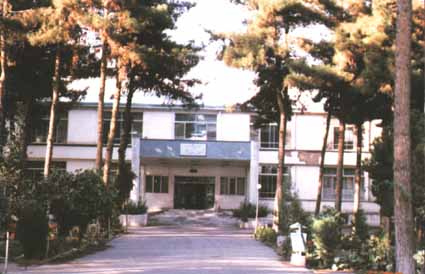
Dr. Ali Shariati Hospital was established in 1951, and its first name was Tuberculosis Nursery. It is located in the Villashar 3, Torghabeh, Shandiz, in the 22947 meter square of Nochah village. |
||
|
|
||
|
Finally, in 1952, he passed away with stroke and blindness. His body was buried in the hospital yard according to his wish. Now, his tomb after repair is ready to be visited by the visitors |
||
History of the Hospital
Introduction (Background)
In 1949 (1328 in the Iranian calendar), through the efforts of the late Dr. Seyed Mousa Hejazi and the initiative of the Khorasan Tuberculosis Association, the construction of Dr. Ali Shariati Hospital began on a 26,000‑square‑meter plot of land donated by Haj Abbas Tavakkolizadeh. After four years, the main building was completed with an approved capacity of 32 beds, and the hospital officially began operation. Until 1978 (1357), the hospital’s activities were limited to the treatment of tuberculosis patients. After the Islamic Revolution, the sanatorium for tuberculosis patients was relocated to Taleghani Hospital, allowing for the establishment of other departments such as Emergency, Burns, Internal Medicine, and Surgery. In 1994 (1373), after 16 years, a new separate building with an area of 500 square meters and a capacity of 20 beds was constructed in the northwest wing of the hospital. This new facility housed the Tuberculosis Research Center and Pulmonary Department, resuming the hospital’s clinical, research, and laboratory activities related to tuberculosis. By 2010 (1389), several new departments—including Dialysis, Cardiac Surgery, and an Angiography Operating Room—were added to the hospital’s medical services. At the end of 2019 (1398), with the emergence of the COVID‑19 pandemic, Dr. Ali Shariati Hospital was designated as a referral center for coronavirus patients. Within just 48 hours, non‑COVID patients were transferred to other hospitals, and the facility was fully dedicated to treating pulmonary and COVID‑19 cases. This effort continued for 18 months, until the fifth wave of the pandemic in July–August 2021 (Tir and Mordad 1400). Following new guidelines issued by the Khorasan Razavi Provincial COVID Taskforce, all hospitals were required to allocate part of their capacity to COVID‑19 patients. Dr. Ali Shariati Hospital subsequently ceased its exclusive referral status, gradually reopening its closed wards while continuing to treat COVID patients. A noteworthy aspect during this period was the efforts of charitable donors, who funded the renovation and expansion of the ICU and Open‑Heart Surgery Room, as well as the construction of a 350‑square‑meter building to accommodate patient companions and provide a residence for physicians. Since 2022 (1401), with the end of the widespread COVID‑19 outbreak, Dr. Ali Shariati Hospital has undergone a gradual management restructuring and full reopening of all active departments. It now provides full services across units such as Emergency, Pulmonology, Internal Medicine, ICU, CCU, Open‑Heart Surgery, Post‑Cardiac Surgery ICU, Maternity Ward, NICU, and Gynecological Surgery. In addition, the hospital has resumed operations at its specialty outpatient clinic, offering care in Internal Medicine, General Surgery, Orthopedics, Obstetrics and Gynecology, Ophthalmology, Urology, Neurology, Cardiology, and other specialties.

